
October 12, 2026
A backup generator can pass its scheduled service and still fail during an actual utility outage. The reason is simple: the generator is only one part of the emergency power system.
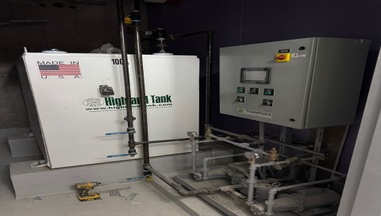
Stored fuel must travel through tanks, pumps, piping, valves, controls, level devices and alarm interfaces before the generator can continue operating. A hidden failure anywhere along that path can turn a successful generator start into a short-lived event.
Routine generator maintenance commonly focuses on the engine, batteries, cooling system and electrical output. Those checks are essential, but they do not prove that the remote fuel system will refill the day tank or belly tank when demand occurs.
Consider a failed day tank level sensor. The generator starts and initially runs on the fuel already available. Because the sensor never calls for transfer, the pump does not start. The tank level falls until the generator shuts down. Without a properly tested alarm, facility personnel may receive little warning.
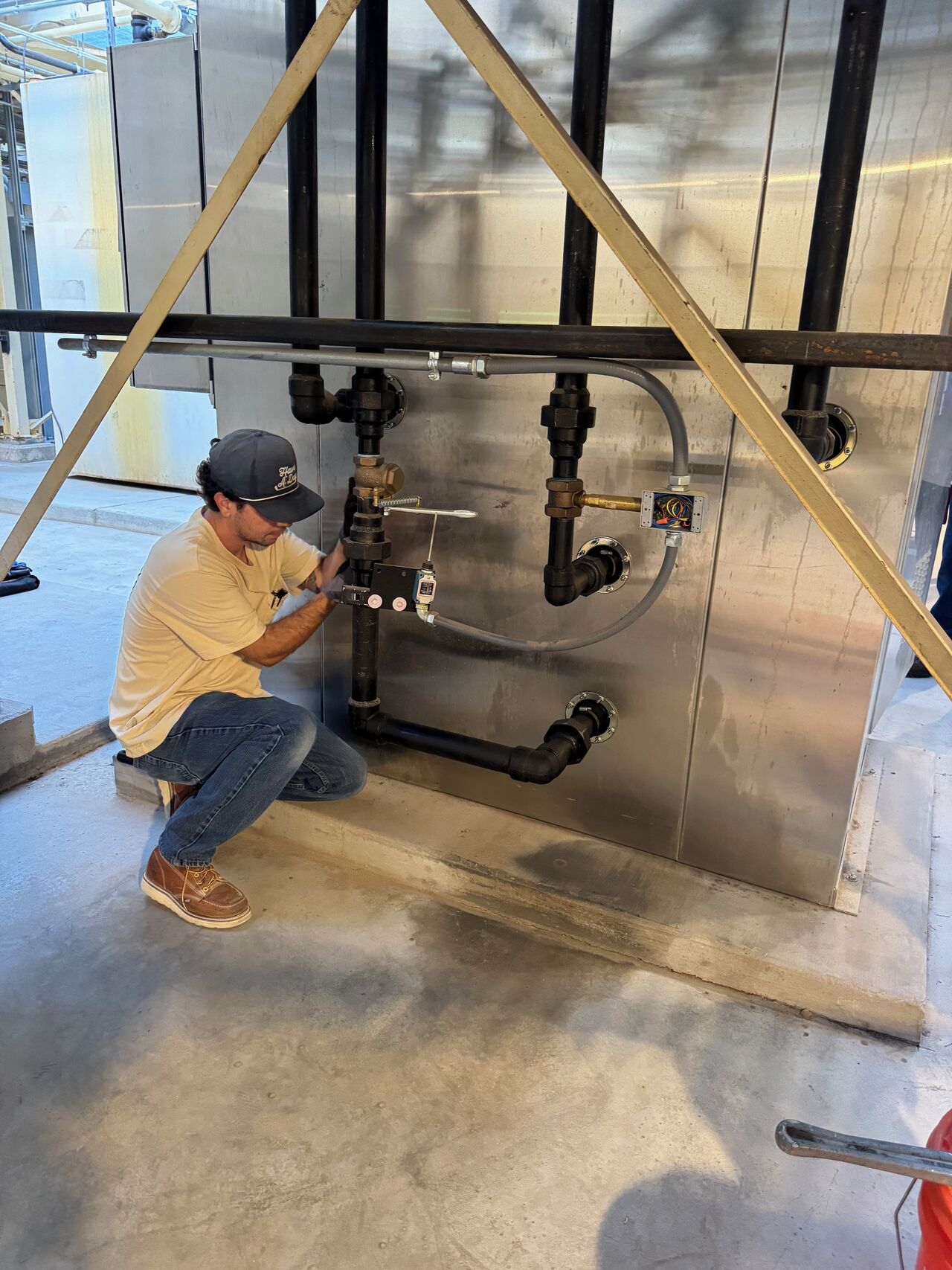
A meaningful inspection follows the complete fuel path and verifies both mechanical performance and control response.
Individual components can appear functional while the complete operating sequence still contains a gap. Inspection should confirm that a low-level condition creates the correct pump call, that the selected pump starts, that fuel reaches the receiving tank, that the pump stops at the proper level and that alarms are communicated to the intended building system.
Where redundant pumps or controls are installed, both operating paths should be exercised. Manual modes, emergency stops and loss-of-signal behavior should also be reviewed.
The goal is to identify developing problems while there is still time to correct them. Worn pump components, inaccurate gauges, failed sensors, water intrusion, damaged containment and obsolete controls can be prioritized into immediate repairs, planned modernization and long-term maintenance.
A documented inspection also creates a baseline that helps facility teams track changes from year to year.
Emergency fuel systems spend most of their life waiting. That makes scheduled, deliberate testing especially important. The first time the complete system is asked to perform should not be during an actual outage.
Our team supports engineers, contractors, owners and facility teams with coordinated equipment, technical review and field support for:
Contact John C. Digertt Inc. to schedule a complete emergency fuel system inspection.