
.jpg)
JCD is extending coordinated fuel oil, pre-insulated piping, leak detection and commissioning support throughout northern New England. Through our partnership with Perma-Pipe, we now support engineers, mechanical contractors, general contractors and facility teams across Vermont, Maine and New Hampshire, in addition to our established territories in Massachusetts, Connecticut, Rhode Island and New York State.
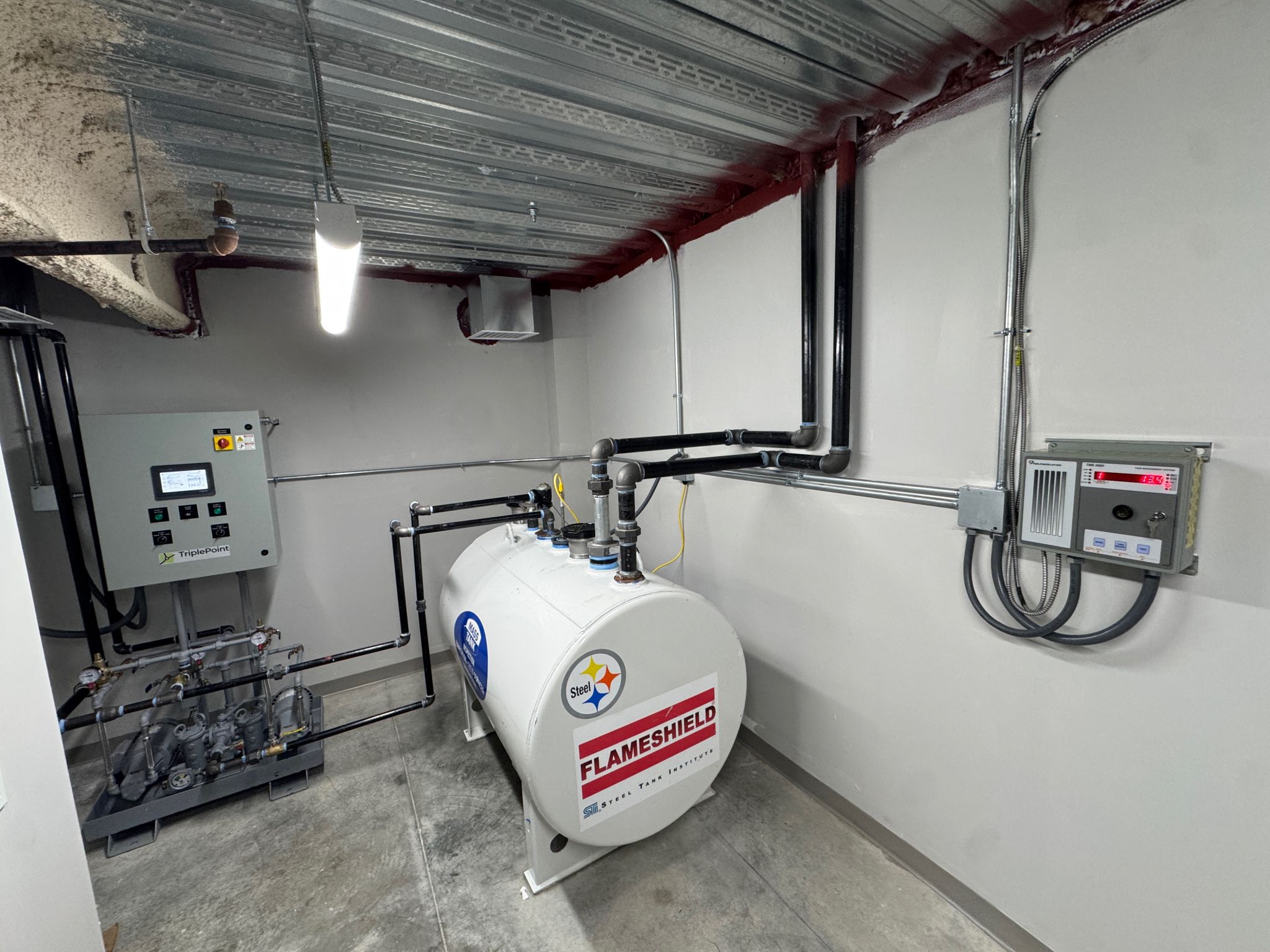
Final commissioning verifies that every device in a roof-mounted generator fuel system responds correctly as one coordinated sequence. Projects like this demonstrate why startup must extend beyond checking whether a pump can run.
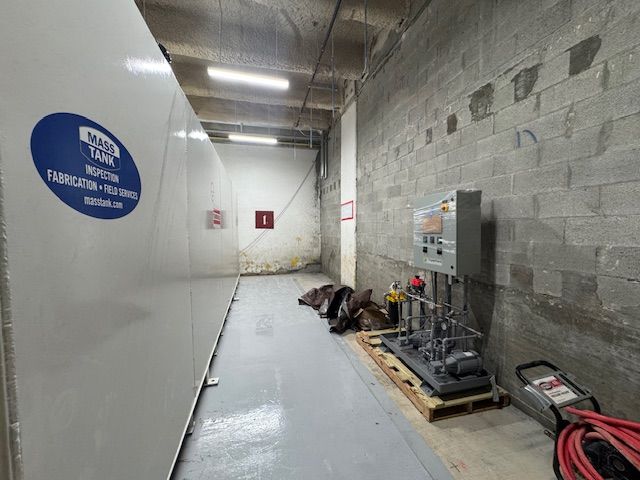
Mission-critical reliability comes from treating storage, piping, monitoring, pumping and fuel quality as one engineered operating system. The project combines fuel storage, protected piping, leak detection, level monitoring, transfer equipment and fuel quality management to support dependable long-term operation.
We’re proud to announce that we are now the official regional representative for Perma-Pipe and Perma-Alert across an expanded Northeast territory. Building on our long-standing presence in Connecticut, Rhode Island, Upstate New York, and Western Massachusetts, we are now extending our coverage to Vermont, New Hampshire, Maine, and Eastern Massachusetts — providing comprehensive regional support throughout New England and beyond.
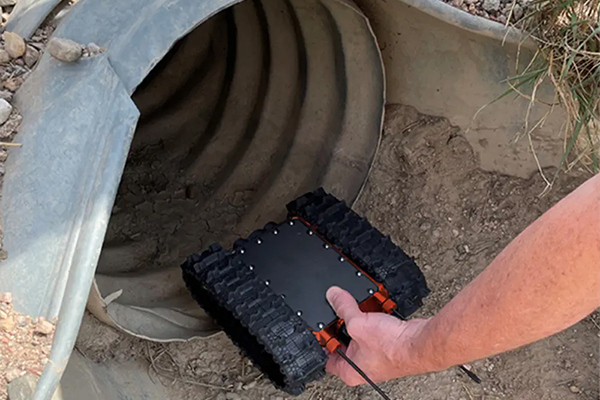
At John C. Digertt, Inc., we are dedicated to providing our clients with the most advanced and effective inspection services possible. We are excited to announce that we have added the Micro Traxx Remote Inspection Robot to our inspection toolbox, further expanding our capabilities to reach previously inaccessible areas.
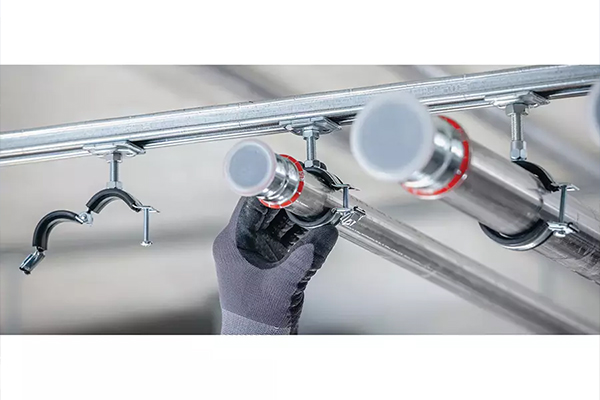
The historic Yale Sterling Power Plant is undergoing a significant modernization project aimed at improving efficiency and ensuring long-term operation. Led by Digertt, the project seeks to upgrade the university’s...