
August 17, 2026
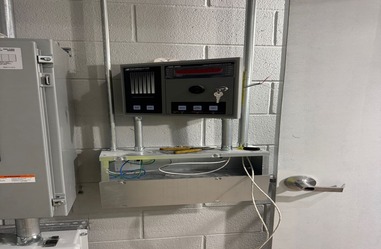
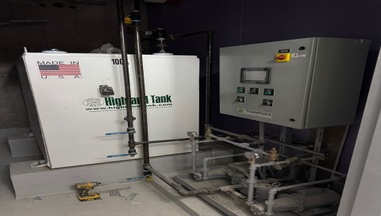
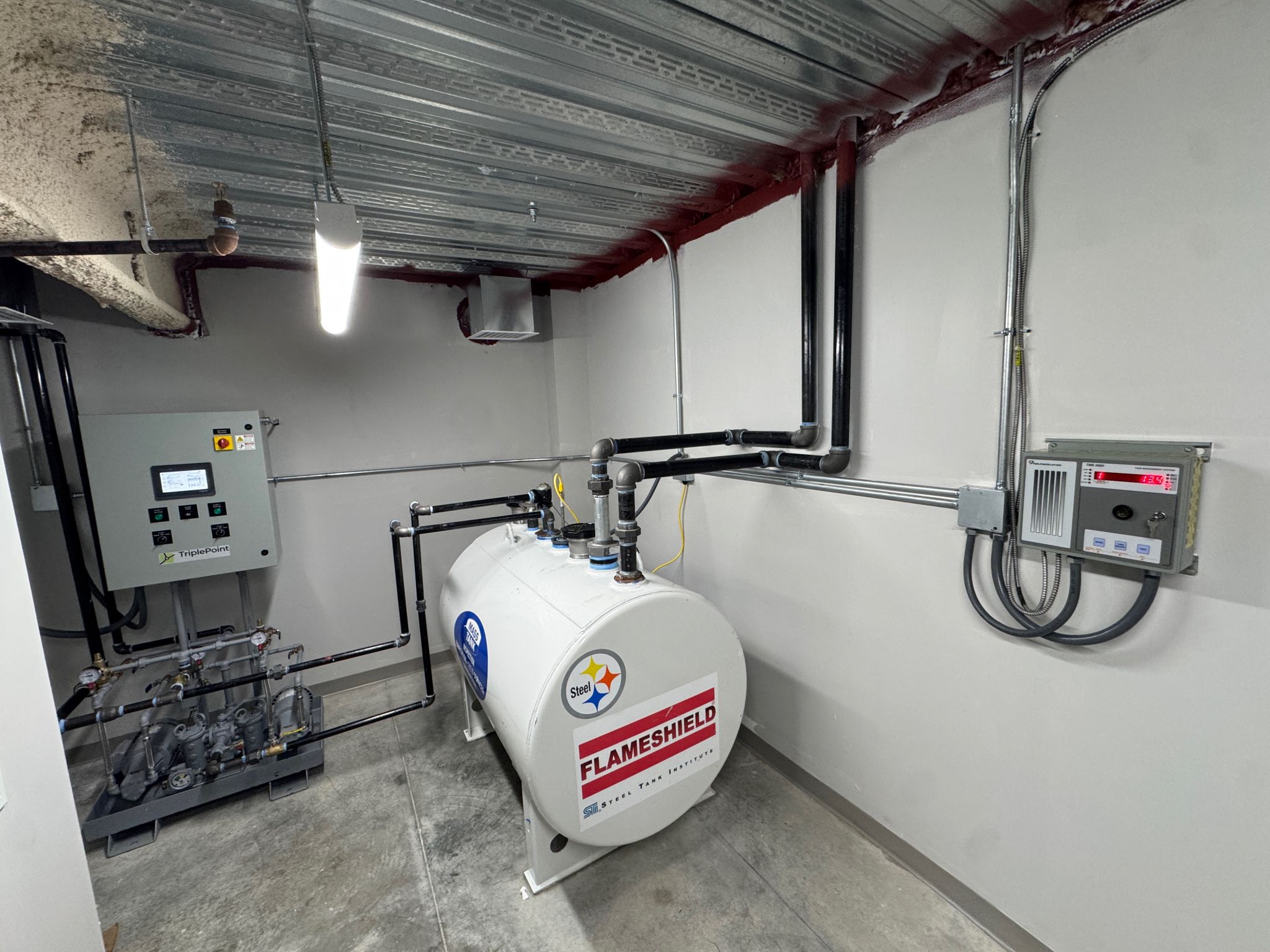
John C. Digertt Inc. recently supported final commissioning of a fuel oil system serving a roof-mounted emergency generator at a Greater Boston residential property.
Projects like this demonstrate why startup must extend beyond checking whether a pump can run. The complete sequence, from stored fuel through the transfer equipment and into the generator belly tank, must be proven under realistic operating conditions.
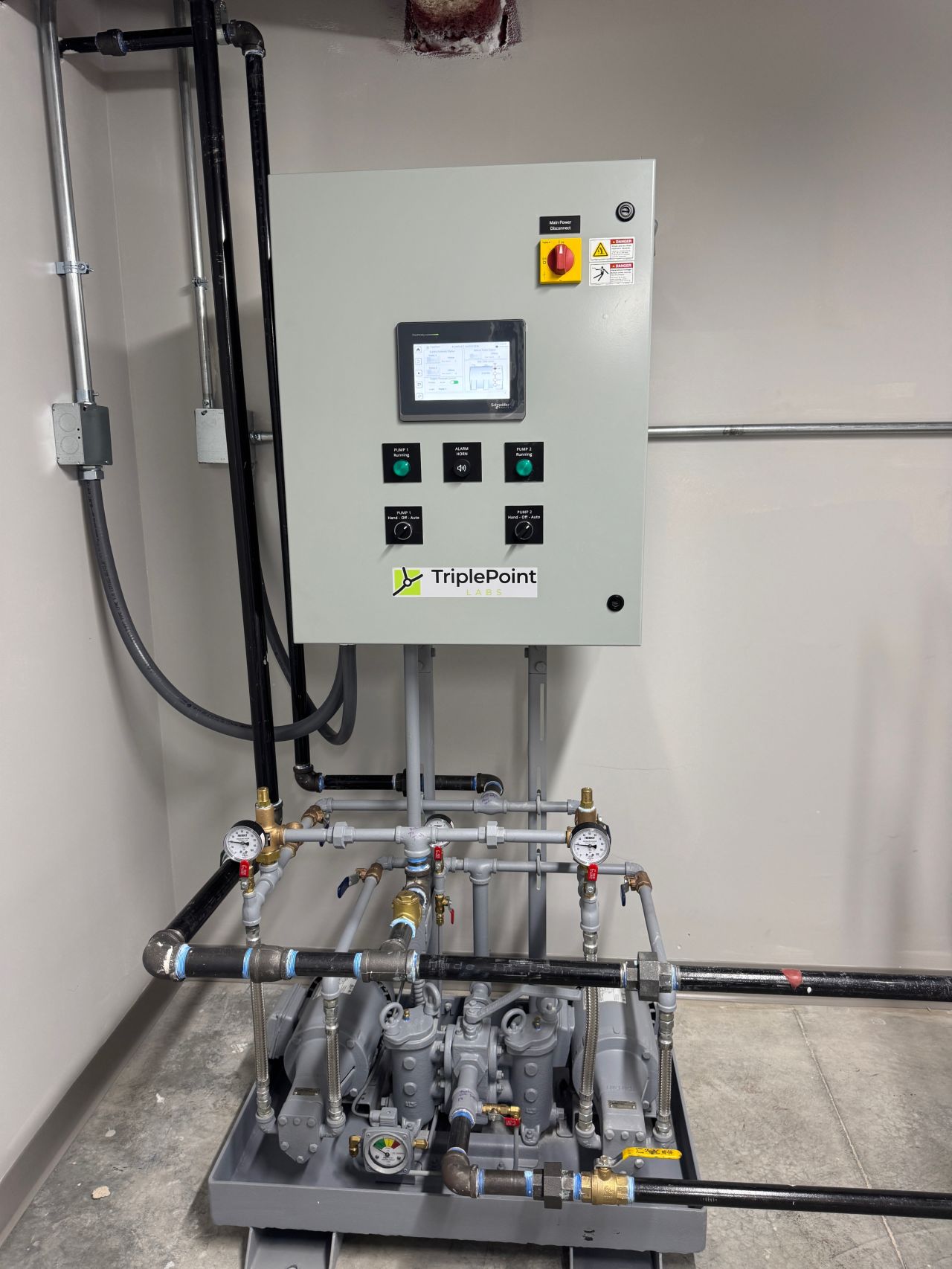
A roof-mounted generator places the receiving tank and generator well above the main fuel storage location. Elevation, pipe length, friction loss, available pump pressure and control timing all become central design considerations.
Urban and occupied-building projects add further constraints. Equipment access, noise, containment, alarm routing and limited shutdown windows must be coordinated carefully.
The commissioning process should verify the mechanical, electrical and control functions as one operating system.
Startup is where assumptions meet actual field conditions. Wiring differences, reversed level logic, closed valves, trapped air, incorrect pressure settings and incomplete alarm interfaces can all prevent a system from operating as intended.
A structured commissioning plan allows those issues to be identified, corrected and retested before the system is accepted.
A successful turnover should leave the owner with more than a functioning system. Clear operating sequences, alarm descriptions, test records and maintenance recommendations help the facility team understand what normal operation looks like and how to respond when a fault occurs.
That documentation also provides a baseline for future annual inspections and modernization work.
For mission-critical systems, commissioning is not a ceremonial final step. It is the process that proves the equipment, controls and installation can perform together when utility power is lost.
Our team supports engineers, contractors, owners and facility teams with coordinated equipment, technical review and field support for:
Contact John C. Digertt Inc. for startup and commissioning support on your next emergency power fuel system.
.jpg)